
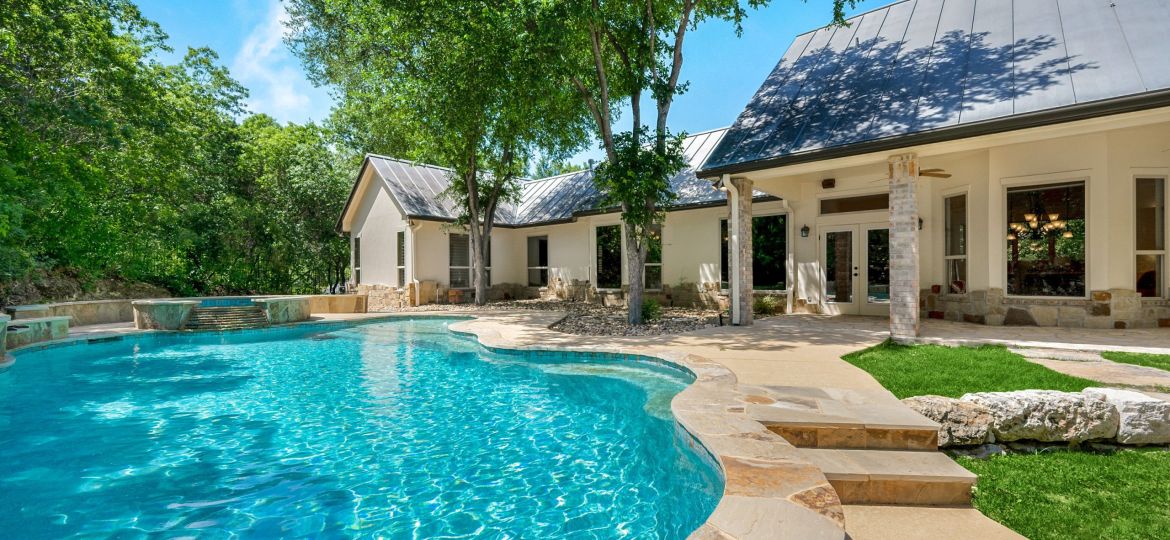
Enjoy warmer pool water using the sun’s energy. Solaron installs Heliocol solar pool heating systems that work with your existing pool equipment to improve swimming comfort and help extend your usable swim season.
Ready to Enjoy Warmer Pool Water?
Solaron can evaluate your pool, available sunlight, and existing equipment to recommend a suitable solar heating system.
How Your Pool Gets Heated
A solar pool heating system uses a straightforward circulation process to collect the sun’s warmth and transfer it into your pool water.
- Water circulation: Your existing pool pump moves water through the filtration system and toward the solar heating equipment. Proper water circulation
- Solar collector panels: Dark-colored Heliocol collectors, installed on a suitable roof or other sunny location, capture solar energy. Their internal passages provide a path for water to absorb heat.
- Heat transfer: As pool water flows through the collectors, it absorbs available solar heat. The amount of warming depends on sunlight, weather, circulation, and system design.
- Heated water return: Water flows back into the swimming pool through the connected plumbing. Repeated circulation gradually helps raise the overall pool temperature when conditions support heating.
- Automatic temperature control: A compatible controller can monitor pool and collector temperatures and direct water through the solar collectors when useful heat is available.
- System placement and sizing: Collector area, roof orientation, shade, and pool size influence performance. A professional evaluation helps determine how the equipment should be arranged.
Unlike photovoltaic solar panels that generate electricity, solar pool collectors transfer the sun’s thermal energy directly into moving water. This makes them a dedicated pool heating solution rather than a source of household electricity. Learn more about the available benefits and equipment on our solar pool heating overview.
Benefits of Professional System Design
Effective solar pool heating requires more than placing collectors in a sunny location. The collector area, plumbing layout, pump circulation, and temperature controls must work together. Professional design helps match these elements to your property and swimming preferences. Solaron evaluates the overall setup and installs Heliocol systems designed for practical operation, reliable water circulation, and comfortable swimming conditions. You also receive guidance on realistic heating expectations, equipment use, and factors that influence long-term performance.
How Solaron Plans Your System
A typical solar pool heating project follows several planning and installation steps.
- Explain how you want to use your pool. Explain when you use your pool, what water temperatures you prefer, and whether you want to make spring or fall swimming more comfortable. These details help establish realistic heating goals.
- Assess the pool and property. We evaluate the pool size, existing pump and filtration equipment, available collector space, sunlight exposure, roof orientation, and plumbing arrangement. These factors help establish the system requirements.
- Recommend a system design. Review the proposed Heliocol collector arrangement, circulation path, and suitable temperature controls. Solaron can explain the intended installation scope so you understand the approach before approving the work.
- Install and connect the equipment. Solaron positions the solar collectors and integrate them with the existing pool circulation system. Plumbing and controls are arranged to direct water through the collectors when heating conditions are suitable.
- Check operation and explain use. Our team reviews the system’s water circulation, control settings, and system response. You can also learn how to monitor heating performance and recognize when professional attention may be helpful.
Every property and project has different heating needs so Solaron customizes each system to fit the reasonable expectations of the client. Our article on sizing a solar pool heating system explains several factors that affect planning.
Keeping Your Solar Heating Effective
Solar pool collectors contain no moving parts, but the complete heating system still depends on proper water circulation, effective controls, and routine pool care. Following the equipment manufacturer’s recommendations and paying attention to changes in performance can help support long-term operation.
- Maintain pool filtration. Keep your normal pool cleaning and filtration routine consistent with the equipment manufacturer’s instructions. Proper filtration supports circulation through the heating equipment.
- Review temperature settings. Learn how your solar controller operates and adjust the desired temperature to match your swimming preferences and seasonal conditions.
- Watch for shading changes. Growing trees or changes around your property can reduce the sunlight reaching the collectors. Significant new shade may affect heating performance.
- Monitor heating behavior. Notice unusual changes in pool temperature, circulation, or controller operation. Weather can explain some variation, but persistent changes deserve professional evaluation.
- Arrange professional attention when needed. Have a qualified professional assess collector, plumbing, or control concerns. Avoid attempting rooftop work or opening pressurized pool equipment yourself.
It is also important to understand that pool water naturally loses heat, particularly during cool nights and windy weather. The temperature your system can maintain depends on the balance between solar heat collected during the day and heat lost from the pool. Reviewing Solaron’s pool heating welcome packet can help you better understand these operating conditions.
How Solar Pool Heating Works Frequently Asked Questions
Understanding the equipment and its limitations can help you decide whether solar heating fits your swimming pool and how you want to use it.
Does solar pool heating use my existing pool pump?
Most solar pool heating systems use the existing filtration pump to circulate water through the collectors. Additional valves, plumbing, and temperature controls direct the flow as needed. A professional evaluation determines whether your current equipment is suitable for your pool heating design.
Can solar collectors work on different roof types?
Solar pool collectors can be installed on various suitable roof surfaces, and some properties may have other usable locations. The best arrangement depends on available space, roof orientation, shade, and access to the pool plumbing. Solaron evaluates these conditions when planning a Heliocol system.
How much warmer can solar heating make my pool?
Solar pool heating can raise water temperatures when sufficient solar energy is available, but there is no single temperature increase that applies to every pool. Collector size, sunlight, weather, pool exposure, and heat loss all affect results. A properly designed system can improve comfort and extend the swimming season.
Does solar pool heating work on cloudy days?
Solar collectors rely on available solar energy, so their heating performance generally decreases under heavy cloud cover. Some heat collection may still occur under favorable conditions, but the system cannot deliver the same results in every type of weather. Temperature controls can help limit circulation through collectors when heating would not be beneficial.
Do solar pool heating systems require regular maintenance?
Heliocol collectors have a relatively simple design without moving mechanical parts inside the panels. However, the overall system includes plumbing, circulation equipment, and potentially automatic controls that should receive appropriate attention. Maintain your pool equipment according to manufacturer guidance and request professional service if you notice unusual performance changes.
Make Swimming More Comfortable
Discover whether solar pool heating is right for your property. Contact Solaron at (916) 631-9293 to discuss your pool, heating goals, and the next steps toward a suitable system.